Latest Articles

4 article(s) found
Canna-Subcultures
32 0 0

Cannabi-hippie: From Psychedelic Revolution to Modern Eco-Activism

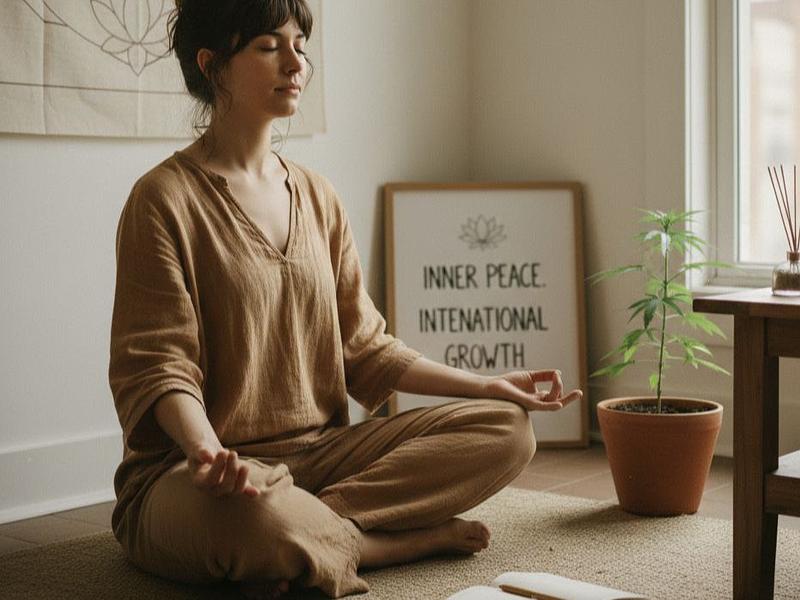
When you hear the word "hippie," the mind paints a vibrant yet somewhat blurred image: long hair, flowers, tiny daisies on a batiste shirt, psychedelic music, and, of course, smoking weed. This stylized portrait, amplified by media, often overshadows the depth and evolution of the genuine subculture. Today's "cannabis hippie" is no longer just a descendant of the youth of the 60s. It's a conscious choice, a lifestyle deeply intertwined with modern movements for ecology, personal development, and legalization. How have the values of the "flower children" changed, and what do they carry within themselves today? Roots: The Psychedelic Revolution and Protest It all began with the powerful social cocktail of the 1960s: the civil rights movement, the Vietnam War, the sexual revolution. Cannabis, alongside LSD, became not just a means of "expanding consciousness," but a symbol of resistance to the system—a cultural, political, and spiritual protest. It was a catalyst for: Creativity: Music (The Beatles, Jimi Hendrix, The Doors), literature (Kerouac, Ginsberg), art. An Alternative Worldview: Rejection of materialism, the search for spirituality in Eastern practices, the idea of love and peace. Formation of Communes: Shared living, natural farming, an attempt to build an ideal society outside the system. However, many of these ideals later faded, turning into a commercial brand or losing relevance. But the seeds were sown. Evolution of Values: From "Just Smoking" to "Understanding and Creating" The modern cannabis enthusiast who identifies with the hippie heritage emphasizes not an escape from reality, but a deep immersion into it through the prism of consciousness. Here are the key transformations: Personal Responsibility Instead of Passive Consumption.Today's "cannabis hippie" is often a grower. Cultivating one's own plant isn't just a way to save money. It's an act of self-sufficiency, connection with nature, and quality control. It's a return to roots in the literal sense: knowing the strain, its terpene profile, the plant's needs. The popularity of organic, "no-till" growing without pesticides and heavy fertilizers is a direct legacy of natural living ideals. Eco-Activism and Sustainable Development as the New Form of Pacifism.The slogan "Peace and Love" takes on an ecological dimension. This manifests in: Fighting Plastic: Using wooden, glass, or bamboo accessories, rejecting disposable vape cartridges. Supporting Ethical Brands: Those using renewable materials, solar energy for production, or engaging in land reclamation. Mindful Consumption: Minimalism, upcycling old items (e.g., repurposing grandma's jars into plant pots). Cannabis as a Tool for Personal Development Practices.The connection between "cannabis hippie" and spirituality hasn't disappeared; it has transformed. Now it's less about chaotic psychedelic trips, more about structured practices: Canna-yoga and Meditation: Using specific, often indica or CBD-rich hybrid strains to deepen practice, relax the body, and focus the mind. Mental Health Work: Conscious use of cannabis to combat anxiety, stress, as an alternative to alcohol. Creative Meditation: Painting, sculpting, playing musical instruments, writing—all of this, aided by cannabis, becomes not an escape, but a form of self-expression and reflection. Active Fight for Legalization and Decriminalization.This is perhaps the most politically active facet of the modern subculture. If the hippies of the 60s protested against war, their spiritual descendants are waging an information war against stigma. They: Educate about the medical properties of cannabis. Fight for social justice, demanding rehabilitation for those affected by the "War on Drugs." Enlighten society, debunking myths and promoting responsible use. Modern Portraits: Who is the Cannabis Hippie Today? It's no longer necessarily a young person with dreadlocks. It could be: A young mother growing a CBD strain on her windowsill for her own peace and evening tea after the child falls asleep. An IT professional who chooses microdosing for creative project planning or meditation instead of Friday beers. An eco-activist who organizes local park clean-ups and later introduces like-minded people to craft strains from a local grower. A yoga instructor who integrates the topic of the endocannabinoid system and responsible use into their classes. Conclusion: The New Wave of Consciousness The "cannabis hippie" subculture hasn't disappeared—it has matured, become more conscious, complex, and responsible. It has transformed from a culture of consuming ideals into a culture of creating real alternatives: an alternative lifestyle, meditation, relationship with nature, and business. Today, it's not just about what you smoke. It's about how and why you do it. It's about the connection with yourself, your body, your community, and the planet. And in that lies the most important legacy of those who once took to the streets with flowers and faith that the world could be changed, starting with the consciousness of one person. Now, they are changing it, starting with their own pot of soil.

Read More
Indoor
45 0 0

Light, Air, Water: The 3 Pillars of Successful Indoor Cannabis Growing

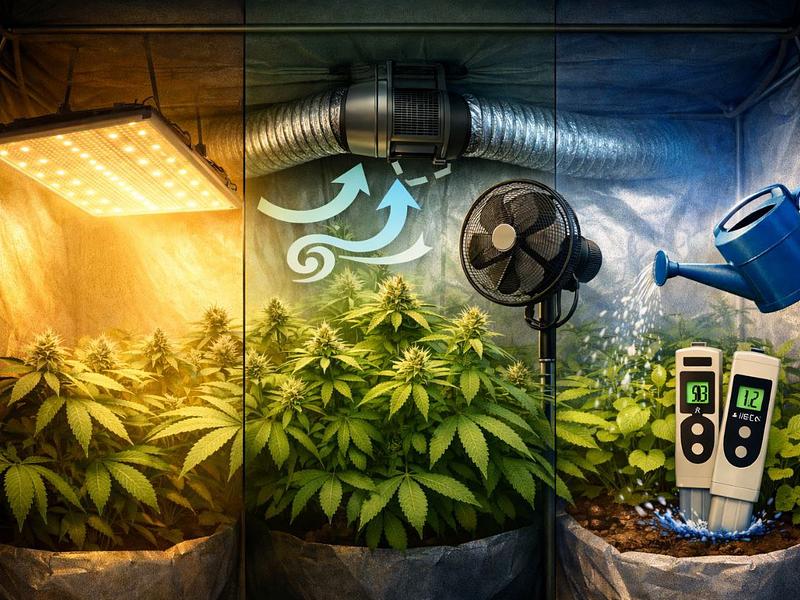
Indoor growing offers the cultivator complete control. But this also means taking full responsibility for creating the ideal conditions that nature usually provides on its own. Beginners often obsess over soils, nutrients, and exotic techniques, overlooking the very foundation. The real secret to healthy growth and bountiful harvests at home lies in the unwavering balance of three fundamental pillars: Light, Air, and Water. If you master these three elements, you will solve 90% of potential problems. Let's break down each "pillar" in detail. Pillar 1: Light – The Primary Engine of Photosynthesis Indoors, the sun doesn't shine – its role is played by your lighting. This isn't just a bulb; it's a substitute for solar energy, directly determining the size, density, and quality of your buds. What You Need to Know: Type: Today, LED grow lights are the gold standard. They are energy-efficient, emit little heat, and allow for precise spectrum tuning (blue for veg, red for flower). Intensity (PPFD): This is the key parameter – how much usable light energy reaches the plant. Too little intensity = stretched, weak seedlings. Too much = light stress and burns. Use smartphone apps (like Photone) for a rough estimate. Photoperiod (Light Cycle): 18 hours of light / 6 hours of darkness for the vegetative stage and 12/12 to initiate and maintain flowering in photoperiod strains. The Golden Rule: Don't skimp on light. A quality LED grow light is the best investment in your harvest. Hang it at the correct height (according to manufacturer guidelines and plant response). Pillar 2: Air – The Invisible Life Support System Many underestimate the role of air, yet it is the circulatory system of your grow space. Without proper circulation and gas exchange, all other efforts are in vain. Two Key Components: Exhaust Ventilation: This is the "heart" of the system. An exhaust fan with a carbon filter removes hot, stale air, creating a slight vacuum. This prevents stagnation, controls temperature/humidity, and ensures an influx of fresh, CO₂-rich air. Internal Circulation: Ordinary household or oscillating fans create a gentle breeze through the plant canopy. This strengthens stems, disrupts the stagnant microclimate around leaves (preventing mold and mildew), and ensures even distribution of heat and humidity. The Golden Rule: Your exhaust fan should be powerful enough to completely replace the air in your grow space every 1-3 minutes. The breeze from internal fans should be felt but not strong enough to bend stems. Pillar 3: Water – The Basis of Life and Main Transport System Water is not just a liquid for irrigation. It's the transport system delivering nutrients to cells and the plant's internal temperature regulator. What You Need to Control: Water Quality: Soft water with low mineral content is ideal. Start by measuring EC/TDS (total dissolved solids) and pH. This is critically important. Medium pH: Roots can absorb nutrients only within a specific pH range. For soil, this is 6.0-6.8, for hydroponics/coco – 5.5-6.2. Watering with the wrong pH leads to nutrient lockout, even if fertilizers are applied correctly. Watering Schedule: Water based on the plant's needs, not a fixed calendar schedule. Overwatering is a common cause of root rot. Underwatering causes stress and wilting. Allow the top layer of soil to dry out slightly and the pot to feel lighter before the next watering. The Golden Rule: "Water when needed, not when convenient." Invest in an affordable pH meter and EC/TDS meter. These are your most important diagnostic tools. How the Three Pillars Work Together: An Example of Imbalance Imagine: You bought a powerful light (Pillar 1), but a weak exhaust (Pillar 2) can't remove the heat. The temperature in the grow space soars to 35°C (95°F). The plant starts transpiring heavily through its leaves to cool down (Pillar 3). The roots can't supply water fast enough, causing water stress and disrupting nutrient uptake. The result: light burns, wilting, stunted growth. Is the problem the light? No. The root cause is the air. ConclusionIndoor cultivation is the art of creating a stable, balanced environment. Don't rush to buy the latest gadgets before you've mastered the basics. First, provide your plants with: Powerful, high-quality light on the correct schedule. Strong exhaust ventilation and canopy air circulation for fresh air and sturdy stems. Watering with quality water at the correct pH only when the plant truly needs it. When these three pillars stand firm, you will see how resilient, healthy, and generous your plant can be. Everything else is just fine-tuning an already well-oiled machine.          

Read More
Germination
51 0 0

Temperature, Humidity & Patience: Creating the Perfect Germination Environment for Cannabis Seeds

Germination is the most crucial and delicate stage in your plant's life. This is the moment where its entire future potential is determined. Many growers, especially beginners, think it's enough to simply place a seed in moist soil. However, this stage is where the most fatal mistakes happen. The secret to success lies not in complex manipulations, but in a precise understanding and control of three key factors: temperature, humidity, and, of course, your patience. Let's break down how to create the perfect "incubator" for your future harvest. Section 1: Heat – The Engine of LifeTemperature is the primary catalyst for the biochemical processes inside the seed. It signals that it's time to wake up. Optimal Range: 24-26°C (75-78°F) – This is the "sweet spot." At this temperature, enzymes activate most efficiently, kick-starting the growth process. What to Avoid: Cold (<20°C / 68°F): Growth slows or stops completely. The seed becomes vulnerable to fungal infections (like damping off) and may simply stay dormant. Heat (>30°C / 86°F): High temperatures can damage the delicate cells of the embryo, lead to dehydration, and cause death. The risk of pathogen development also increases. Practical Tips: Use a thermometer. Don't rely on guesswork. If your space is cool, use a small propagation kit with a heating mat (bottom heat) or place the seed container on top of a router, refrigerator – anywhere with stable, gentle warmth. Avoid direct sunlight on the germination container – this will cause a greenhouse effect and overheat the seeds. Section 2: Humidity – The Medium for the First StepHumidity creates the necessary aqueous environment in which the seed imbibes water and its shell softens. Optimal Level: Around 90-100% relative humidity. At this stage, the seed has no roots to absorb water, so it relies on moisture from the immediate environment. How to Achieve & Control It: Paper Towel/Cotton Pad Method: The classic method that lets you see the process. The key is to have the towels moist, but not swimming in water. Excess water blocks oxygen access. Dome/Propagator: The simplest way. A simple plastic cup with a clear lid or cling film will create a microclimate with high humidity. Always ensure there are a few air holes for gas exchange. Directly in Medium (Soil/Cubes): The most natural method. The substrate should be thoroughly moistened but not waterlogged. Light misting with a spray bottle can help maintain surface moisture. What to Avoid: Water stagnation and complete airtight sealing. The seed, just like us, needs oxygen to breathe. Section 3: Patience – The Grower's Most Important ToolThis is the factor you can't buy but is the easiest to lose. Germination is a natural process that needs time. Expected Timeline: In ideal conditions, the first taproot (radicle) can appear within 24-72 hours. Some varieties, particularly indicas or older seeds, may require 5-7 days. The Most Common Mistake: Constantly taking the seed out of the paper towel or digging in the soil to "check if everything is okay." This damages fragile root hairs, stresses the embryo, and can ruin your progress. What to Do Instead? Prepare Everything in Advance: your medium, lighting, and final location for the seedling. Set the Conditions: Place the seed in a warm, dark place with correct humidity. Forget About It for 48-72 hours. Trust nature. Only monitor the ambient temperature and humidity, without disturbing the seed itself. Section 4: The Perfect Formula in PracticeHere is a simple action algorithm that combines all three factors: Preparation: Take two moist paper towels. Place the seed between them and put it all into a plastic container with a lid or on a saucer covered with cling film. Make 2-3 holes for ventilation. Placement: Put the container in a dark place with a stable temperature of 25°C (77°F) (e.g., a closed cabinet with warm air circulation). The Wait: Do not touch it for 2-3 days. Only check to ensure the paper towels don't dry out (mist lightly with a spray bottle if needed). Transfer: Once the taproot reaches 0.5-1.5 cm in length, carefully, using tweezers, transfer the seed with the root facing down into a pre-moistened, airy substrate (soil, coco) at a depth of 0.5-1 cm. Launching Growth: After planting, re-create conditions of high humidity (cover with a clear plastic cup), place it under a mild light (not a powerful one!) on an 18/6 light schedule, and wait for the seedling to emerge. ConclusionGermination is not magic, but a precise science based on understanding the needs of a living organism. If you provide your future cannabis plant with stable warmth (24-26°C), high humidity (~95%), and give it peace (do not interfere unnecessarily), you will get a strong, viable sprout ready for vigorous vegetative growth. Remember: a strong start is the key to a bountiful harvest in the future. Don't rush, trust the process, and your patience will be rewarded.                      

Read More
Outdoor
41 0 0

Autoflowers vs. Photoperiods: Which is Better for Outdoor Growing?

Planning an outdoor season starts with one crucial question: which genetics should you choose? Your decision will dictate how much effort you’ll need to put in, your harvest timeline, and whether your plants will survive the first frost of autumn. In this guide, we break down the key differences between Autoflowers and Photoperiod (Photos) strains specifically for the outdoor grower. 1. Life Cycle and Growth Speed This is the primary advantage that makes autoflowers a favorite in regions with short summers or unpredictable climates. Autoflowers: These begin to flower automatically about 3–4 weeks after germination, regardless of light cycles. The entire "seed to harvest" journey usually takes only 8–11 weeks. Photoperiods: Their life cycle is dictated by the sun. They will stay in the vegetative stage (growing leaves and stems) as long as the days are long, only starting to flower when daylight hours drop (usually in August). Harvest typically falls in October or even November. The Verdict: Autoflowers allow you to harvest in July or August, completely bypassing the cold, damp weather of late autumn. 2. Size and Yield Potential Size and yield are directly linked. This is where photoperiods often show their true power. Feature Autoflowers Photoperiods Height Compact (60–120 cm / 2–4 ft) Can reach massive sizes (2–3+ meters / 6–10 ft) Yield Moderate (30–150g per plant) High (500g to several kg per plant) Stealth Easy to hide in tall grass or gardens Hard to conceal due to "tree-like" stature 3. Resilience to Mold and Pests In the outdoors, mold is your biggest enemy, especially during the final weeks of flowering. Photoperiods: Because they ripen in late autumn (September-October), they often face heavy rains and morning mists. These are the perfect conditions for Bud Rot (Botrytis) or powdery mildew. Autoflowers: They finish during the peak of summer heat. Dry air and intense sun significantly reduce the risk of mold. Furthermore, many autoflowers carry Ruderalis genetics, which are naturally evolved to survive harsher, cooler environments. 4. Why Autoflowers are Ideal for Short Summers If you live in a temperate or northern climate where summer is brief and autumn is harsh, autoflowers offer three strategic advantages: Guaranteed Finish: You know for a fact the plant will finish. A photoperiod might simply run out of time and freeze before it’s fully ripe. Perpetual Harvest: Due to their short cycle, you can plant a first batch in May and a second in July, doubling your chances of success. Low Profile: Their short height makes them perfect for "guerrilla growing" or keeping things discreet from neighbors. 5. When Should You Choose Photoperiods? Despite the rise of "autos," photoperiod strains remain the gold standard for growers who: Live in regions with long, warm summers and mild autumns (e.g., Mediterranean climates). Want to maximize the yield from a single plant. Plan to use advanced training techniques (like Topping or Mainlining). Photoperiods have time to recover from stress, whereas any mistake with an autoflower can permanently stunt its growth. Summary: What’s Your Choice? Choose Autoflowers if you are a beginner, live in a rainy/cold climate, or want a fast, stealthy harvest. Choose Photoperiods if you have the space, the time, and the climate to grow "monster trees" with massive yields.

Read More