Latest Articles

2 article(s) found
Cannabinoids (THC, CBD)
74 0 0

The Architecture of Homeostasis: A Deep Dive into Cannabinoids and the ECS

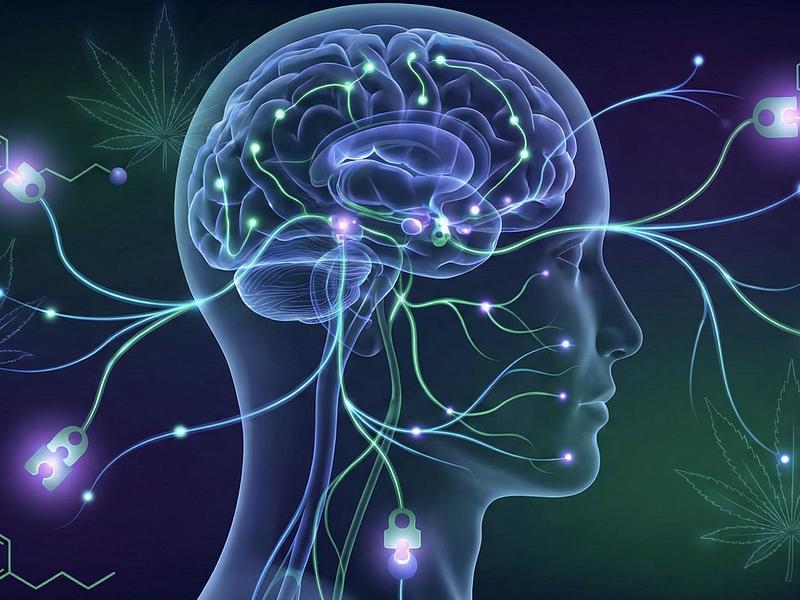
For decades, cannabinoids were viewed strictly through the lens of the psychoactive effects of a single plant. However, modern science has uncovered something far more profound: the Endocannabinoid System (ECS)—a sophisticated cellular communication network that has existed in almost all vertebrates for over 600 million years. 1. The ECS: The Master Regulator The ECS is not merely a collection of receptors; it is the "Master Engineer" of homeostasis. Its primary mission is to maintain internal stability regardless of external fluctuations. It regulates everything from neuroplasticity and immune response to metabolism and sleep cycles. The core components of the ECS include: Receptors (CB1 and CB2): The "locks" sitting on the surface of our cells. Endocannabinoids: The "keys" produced naturally by our bodies (Anandamide and 2-AG). Enzymes: The "cleanup crew" (FAAH and MAGL) that breaks down cannabinoids once their job is done. The Mechanism of Retrograde Signaling In a unique twist of biology, cannabinoids function through retrograde signaling. Unlike most neurotransmitters (like dopamine or serotonin) that travel from a "sender" neuron to a "receiver," endocannabinoids travel backward. This allows the body to literally "turn down the volume" on neural overstimulation, preventing excitotoxicity (damage to nerve cells). 2. Phytocannabinoids: Botanical Alchemy While science has identified over 120 cannabinoids in the Cannabis Sativa plant, the spotlight usually stays on THC and CBD. For the true enthusiast, however, the real magic lies in the "minor" compounds. THC (Tetrahydrocannabinol) A direct agonist of CB1 receptors. Its role goes far beyond euphoria; it possesses potent analgesic and antioxidant properties, mimicking our own "bliss molecule"—anandamide. CBD (Cannabidiol) Unlike THC, CBD has a low affinity for CB1/CB2 receptors. Instead, it acts as a negative allosteric modulator. In simpler terms, it changes the shape of the receptor so that THC or endocannabinoids bind differently, reducing anxiety and inflammation without direct psychoactivity. New Horizons: CBG, CBN, and THCV CBG (Cannabigerol): Known as the "stem cell" of cannabinoids. It is currently being researched as a powerful neuroprotector for conditions like Huntington’s disease. CBN (Cannabinol): A byproduct of THC oxidation, noted for its potential sedative properties. THCV (Tetrahydrocannabivarin): Unique for its ability to suppress appetite and potentially regulate blood sugar, making it a focal point for metabolic syndrome research. 3. The Entourage Effect: Synergy in Action This is the concept that isolated cannabinoids are often less effective than their natural combination. Terpenes (aromatic molecules like myrcene or limonene) and flavonoids work in synergy with cannabinoids, potentially altering their permeability across the blood-brain barrier or modulating their intensity. Key Insight: Pure CBD isolate may require significantly higher doses to achieve a therapeutic effect compared to a full-spectrum extract, where the "teamwork" of various molecules creates a more efficient biological response. 4. The Future: Personalized Cannabinoid Medicine We are entering an era where cannabinoid use will be guided by an individual's genetic profile. For instance, genetic variations in the FAAH enzyme can determine why one person feels profound calm from cannabinoids while another may experience heightened anxiety. Promising Research Frontiers: Autoimmune Treatment: Utilizing CB2-selective agonists to modulate the immune system without affecting cognitive function. The Microbiome: Exploring the bidirectional link between the ECS and gut flora. Oncology: Investigating the mechanisms of apoptosis (programmed cell death) in cancer cells triggered by high concentrations of phytocannabinoids. Conclusion Cannabinoid science is about more than just medicine or recreation; it is the key to understanding how our bodies maintain the delicate balance of life. We are only at the beginning of decoding this intricate molecular language.        
Read More
Terpenes
98 2 1

Architects of the High: A Deep Dive into Terpene Biochemistry

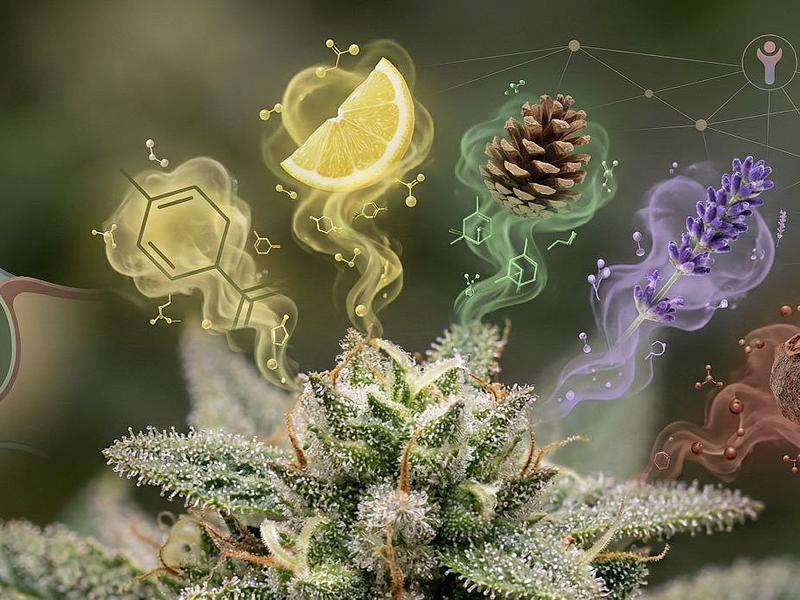
For a long time, the cannabis conversation was dominated by a single metric: THC percentage. We fell into the trap of believing that "more THC equals a better high." However, modern science is debunking this "THC-only" myth. The true "conductors" of your experience are terpenes. In this article, we’ll explore how these volatile molecules function at a molecular level and why they are the most critical factor in determining the character of your cannabis. 1. Biosynthesis: How the Plant Creates Magic Terpenes are a class of organic hydrocarbons built from isoprene units (C5​H8​). In cannabis, they are synthesized within the glandular trichomes—the same microscopic "chemical factories" where cannabinoids like THC and CBD are produced. Intriguingly, cannabinoids and terpenes share a common chemical precursor: geranyl pyrophosphate. Depending on genetics and environmental stressors, the plant "decides" whether to allocate resources toward cannabinoids or aromatic defense compounds. Why do terpenes exist? They aren't there for our enjoyment; they are survival tools: Protection: Bitter or pungent terpenes repel hukerbivores and insects. Thermoregulation: By evaporating, they help cool the surface of the flower. Antimicrobial: Many terpenes act as natural fungicides, protecting the plant from bud rot and mold. 2. The Entourage Effect: Pharmacological Synergy The concept of the Entourage Effect, popularized by Dr. Ethan Russo, suggests that isolated THC has a much narrower therapeutic window than the whole plant. Terpenes modulate the effects of cannabinoids through several mechanisms: BBB Permeability: Certain terpenes can make the Blood-Brain Barrier more permeable, allowing cannabinoids to enter the brain more efficiently. Allosteric Modulation: They can bind to CB1 and CB2 receptors alongside THC, changing the receptor's shape. This can "turn down the volume" on THC-induced anxiety or "amplify" its pain-relieving properties. Neurotransmitter Interaction: Many terpenes interact with the same systems as pharmaceutical drugs, such as GABA (sedatives) or Serotonin (antidepressants). 3. The Expanded Terpene Catalog While there are over 150 terpenes found in cannabis, a few "major" ones dictate the primary effects. Terpene Boiling Point Aroma Profile Scientifically Proven Effects Myrcene 167°C Musky, earthy, clove Enhances THC transport across the BBB. Responsible for the "couch-lock" effect. Limonene 176°C Citrus, lemon Anxiolytic (anti-anxiety). Boosts dopamine and serotonin levels. Beta-Caryophyllene 130°C Peppery, spicy The only terpene that acts as a cannabinoid. Binds directly to CB2 receptors. Powerful anti-inflammatory. Alpha-Pinene 155°C Pine, resin Acetylcholinesterase inhibitor. Helps counteract THC-induced short-term memory loss. Linalool 198°C Lavender, floral Modulates GABA receptors. Acts as a potent sedative and anticonvulsant. Terpinolene 183°C Herbal, woody Mildly sedative on its own, but often found in energetic "Sativa" profiles (e.g., Jack Herer). Humulene 106°C Hoppy, woody Anorectic (suppresses appetite)—the antidote to "the munchies." Ocimene 65°C Sweet, forest Known for strong antiviral and antiseptic properties. Very volatile. Експортувати в Таблиці 4. Terpenes vs. Terpenoids: What’s the Difference? While often used interchangeably, there is a technical distinction: Terpenes are the "live" molecules found in the growing or freshly harvested plant. Terpenoids are terpenes that have undergone oxidation. This process occurs during drying and curing. Proper curing transforms harsh "green" smells into a deep, complex bouquet. If your flower smells like hay, it’s a sign that the terpenes have degraded and the chlorophyll hasn't broken down correctly. 5. Lab Analysis (COA): How to Read the Results In mature markets, savvy consumers look for a Certificate of Analysis (COA) rather than just THC potency. Total Terpenes: A good range is 1.5% to 4%. Anything above 4% is considered elite "top-shelf" craft cannabis. Dominant Terpenes: Look at the top three. If Myrcene is #1, expect heavy relaxation. If Limonene or Pinene are dominant, expect a more mental, uplifting experience. 6. The Art of Preservation You can buy the best genetics in the world, but poor handling will destroy the terpene profile: Temperature: Terpenes begin to evaporate at temperatures as low as 21°C (70°F). Store your flower in a cool, dark place. Humidity: Maintain a Relative Humidity (RH) of 58-62%. Over-dried flower loses its "terpene shield," causing the trichomes to become brittle and lose their aromatic core. Mechanical Stress: Every time you touch the buds with your bare hands, you rupture the trichomes. Use a grinder only immediately before consumption. Conclusion Terpenes are the "intelligence" of the plant. If THC provides the "altitude" of the flight, terpenes are the pilot, deciding whether you land in a state of deep sleep, creative flow, or social energy. The next time you open a jar, take a moment to appreciate the aroma—your nose knows more about the quality of that cannabis than any marketing label.

Read More